



Survivor Network
For families & survivorsA national grief literacy initiative shaped by the experience of police chaplains.
 Donate
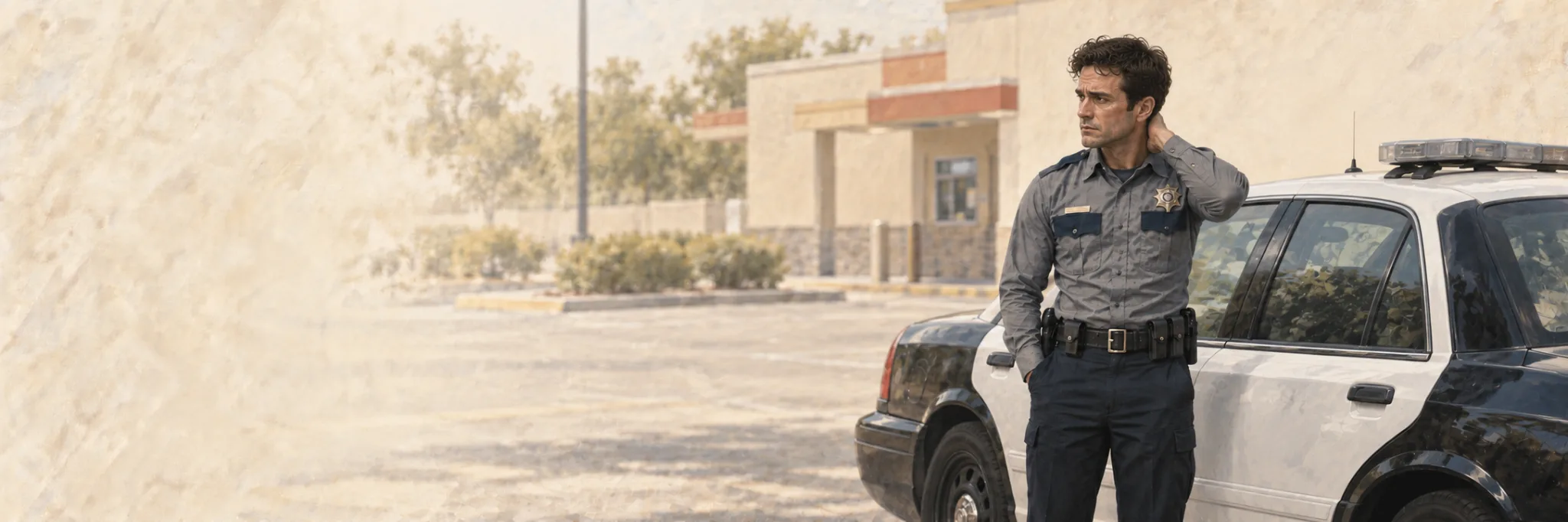
Cops are expected to deal with the worst of the worst, every day, and then get up tomorrow and do it again.
It takes a toll. How could it not?
Yet the culture of the badge—a distrust of outsiders—keeps many officers from asking for help.
That’s why police chaplaincy is such a brilliant innovation.
It is uniquely designed to solve every cop’s dilemma:
Police officers rarely ask for help.
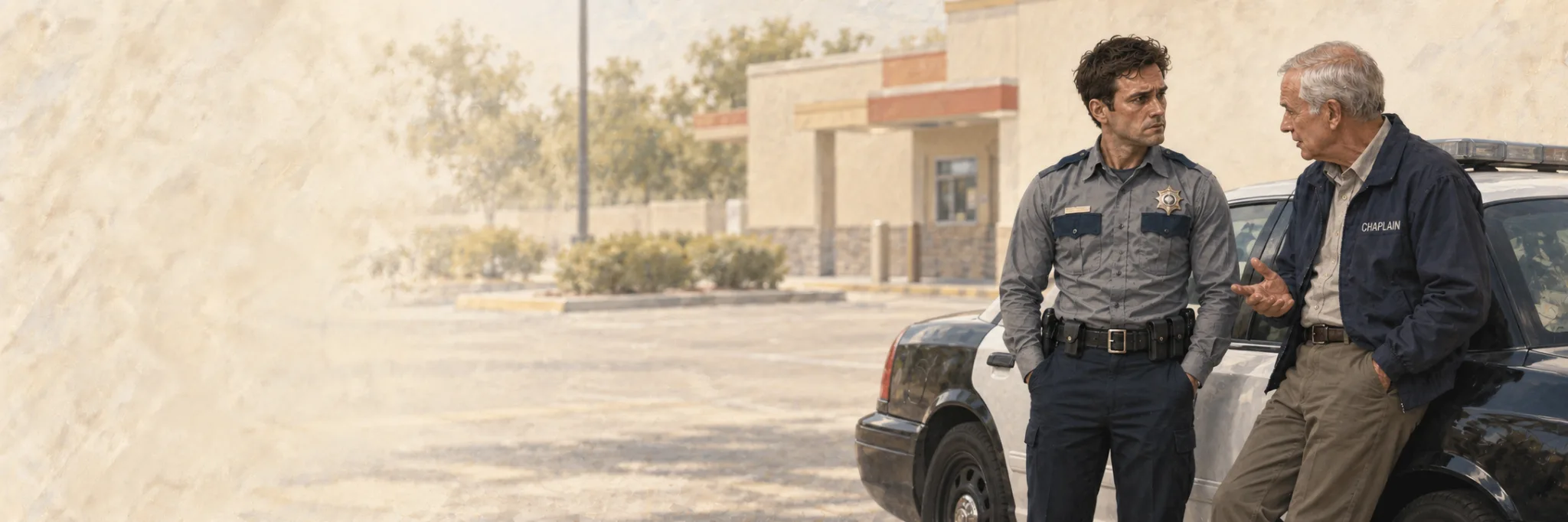
Police chaplains don’t wait to be asked. Every so often they just show up to shoot the breeze, get coffee, and be a friend.
Police officers keep it to themselves.
A conversation with a police chaplain is confidential, protected by law and by a chaplain’s sacred oath.
Police officers naturally distrust outsiders.
Police chaplains are members of the law enforcement community. They wear a badge. They understand the culture.
Police officers can feel helpless.
Constantly forced to leave a traumatized person to answer the next call is spiritually demoralizing. Chaplains take that heavy burden off the officers’ shoulders by staying behind to do the emotional heavy lifting.
This is why police chaplaincy is a true innovation. A chaplain provides support in ways no one else can.
That small opening is enormous. A cop surrounded by cynicism now has an angel on their shoulder.
Which raises the big question.
There’s no academy turning out people who are part cop, part clergy. The people best suited to this work are already living among us, with little idea what they’re capable of.
They’re the people in line at the grocery store:
Wildly different people who share a rare mix of emotional intelligence, personal stamina, and a deep desire to put their faith into practice.
A community that finds these unique individuals, trains them, and sends them out gains the kind of asset that holds a town together in a crisis.
We see it happen across the country, year after year.
That’s where
ChaplainUSA comes in.
For nearly two decades, we’ve worked to raise awareness about police chaplaincy. We’ve gathered an extraordinary group of chaplains and citizens who’ve made serving law enforcement their life’s work, and handing their wisdom to the next generation is what we do here.
And if along the way we help someone discover their true calling, the work is multiplied and truly blessed.
Explore the stories, programs, and training. If this work matters to you, join us and support ChaplainUSA.
Support ChaplainUSAStep 1
Visit the newly digitally restored Police Chaplain Project.
Watch the collection
Step 2
Working hand in hand with police chaplains, we have developed ways to make wisdom drawn from the archive portable and practicable.
That’s the key to what we do: an archive for future generations, but programming that addresses problems here, now, today.

A national grief literacy initiative shaped by the experience of police chaplains.
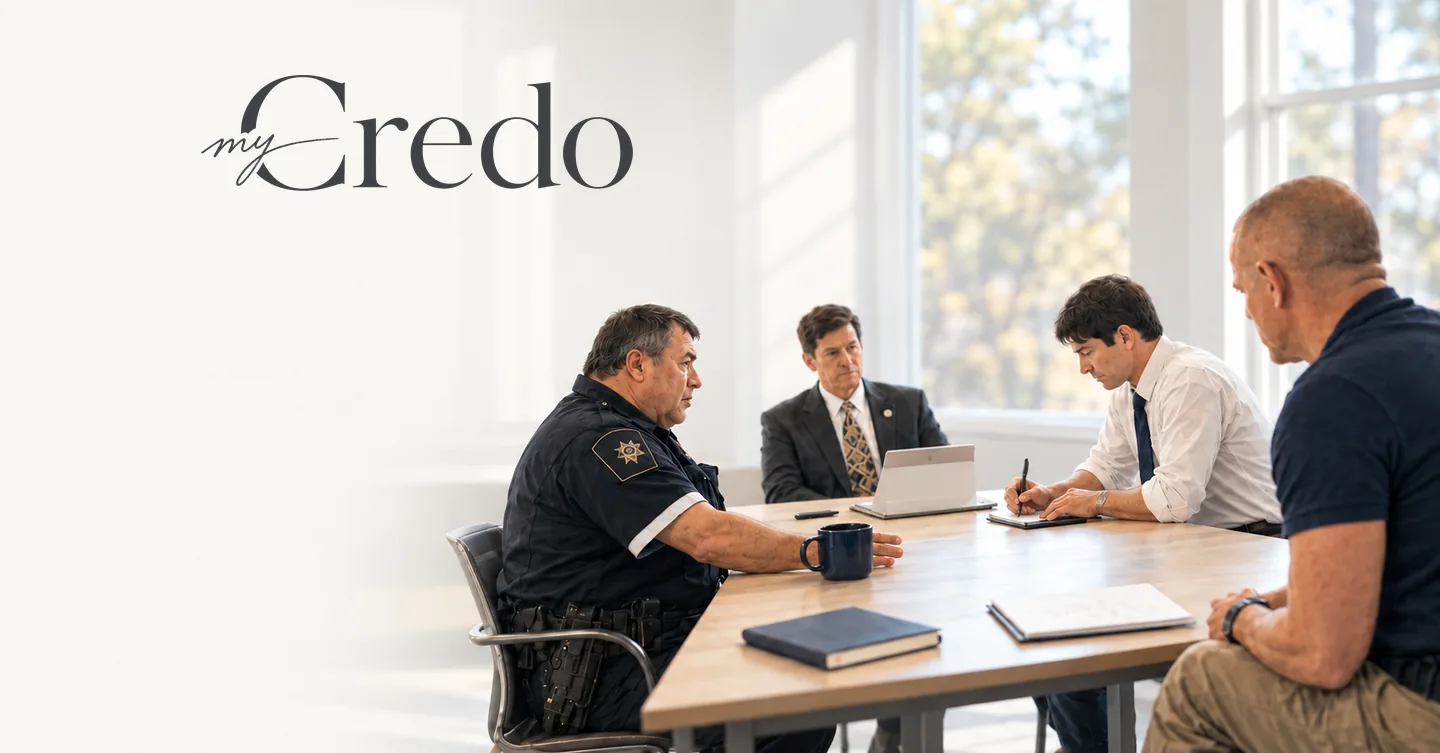
Put into a sentence or two what you stand for, and carry it into the work.
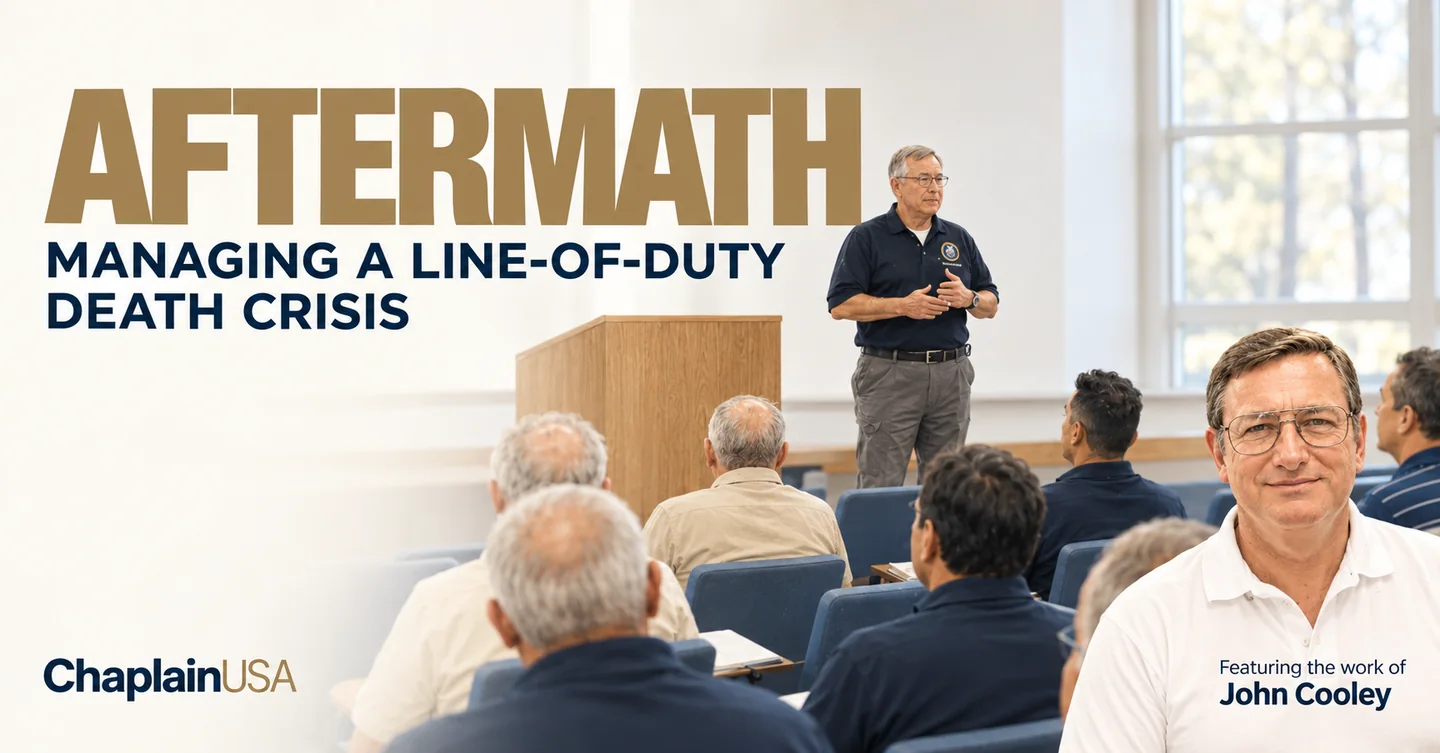
Decades of experience distilled into practical rules for dealing with law enforcement’s darkest day.
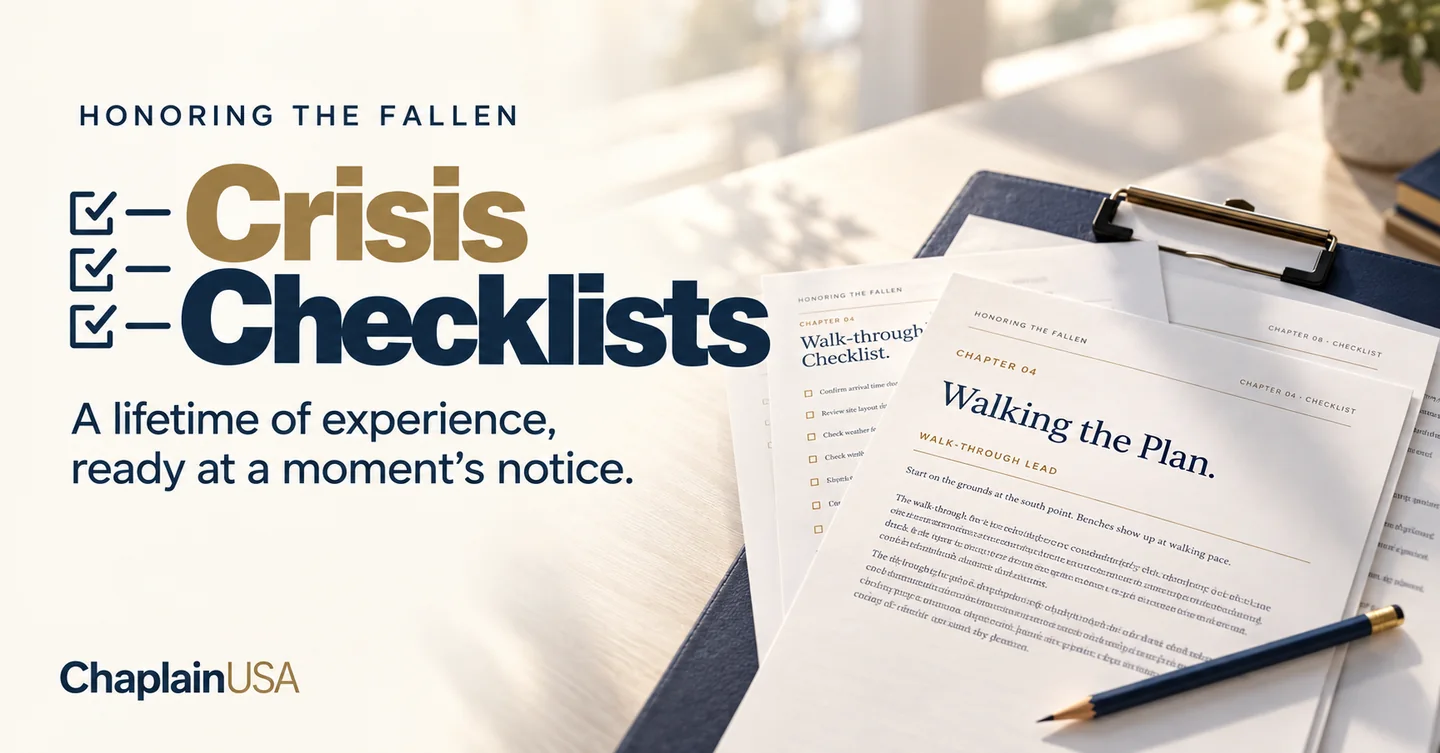
Role-by-role checklists for a line-of-duty death, from the first notification to the final honors.

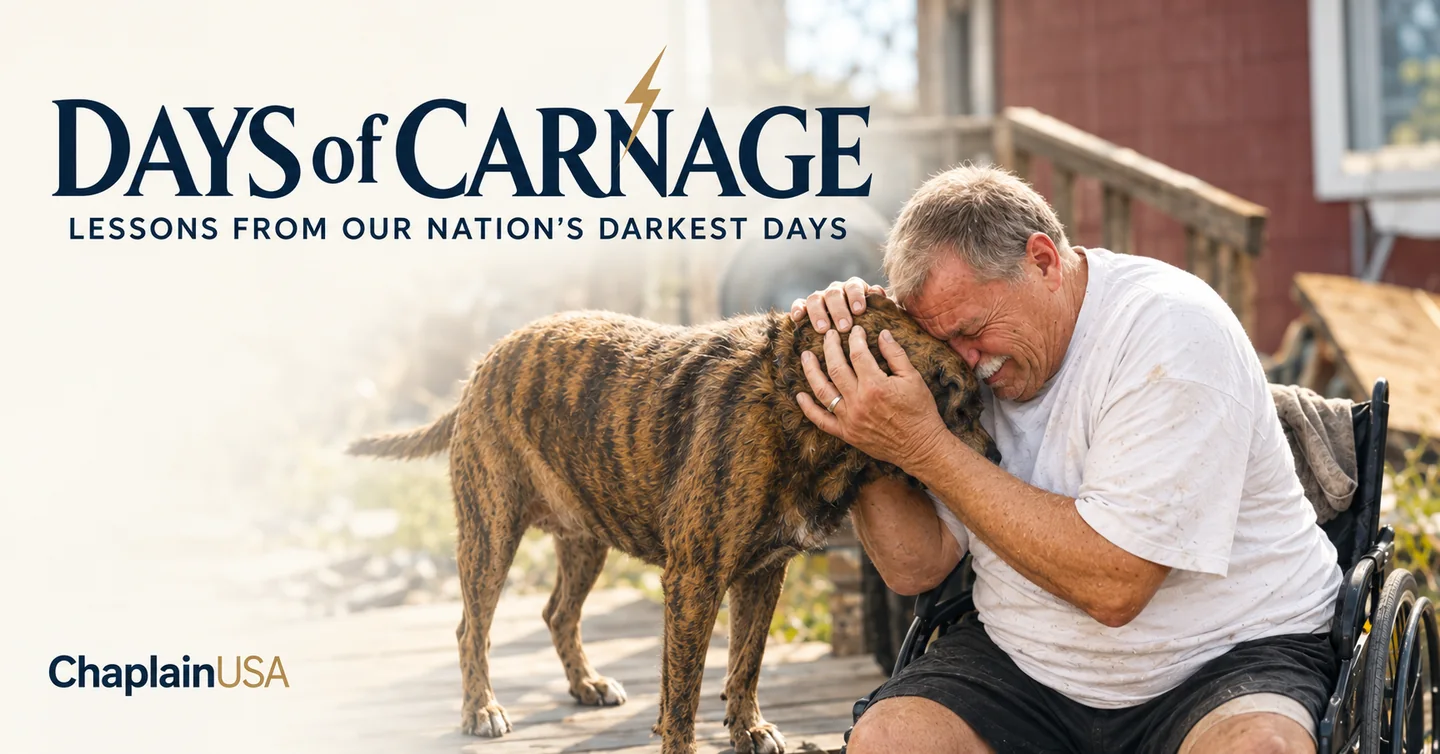
Firsthand accounts from chaplains who responded to mass shootings and disasters.
A digital collection of practical reading for police chaplains.
Step 3
New articles, videos, and special reports from every ChaplainUSA program, gathered in one place.
Browse the ChaplainUSA Blog by category and topic ↗
Eleven places to start
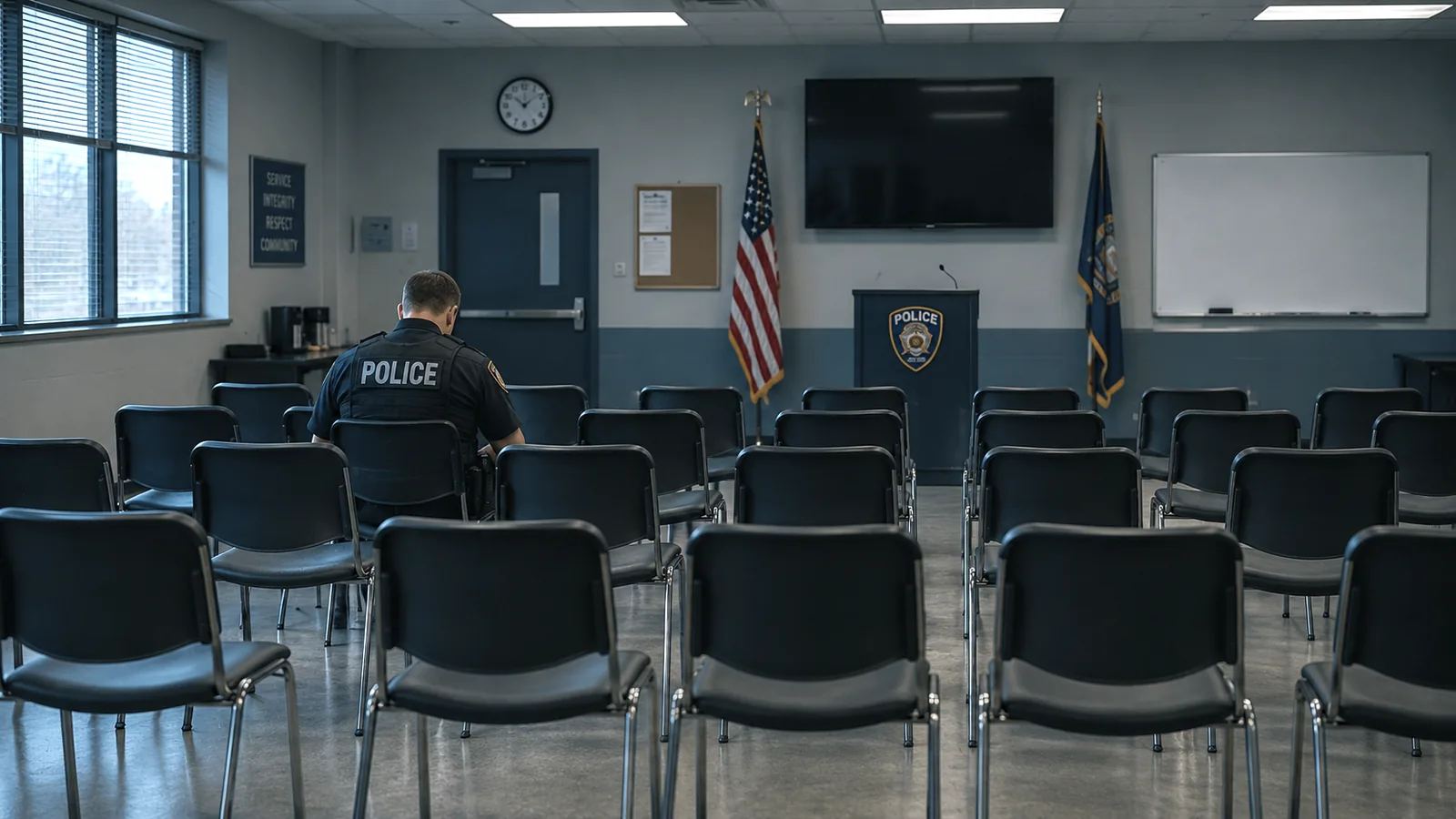
Police Research Watch
Many Americans are convinced the problem with our country is there are too many police officers. Hard data tells a radically different—and alarming—story. Drawing on key insights from Malcolm Gladwell, justice system research, and CDC health data, this article exposes the real cost of under-policing.
Open the article ↗
ChaplainUSA Blog · Police Chaplain Project
Bill McCamley breaks down the behavioral patterns that precede male crisis, suicide, and fatal relapse—and what police chaplains and peer-support officers can do.
Open the article ↗
ChaplainUSA Blog
For many police officers, retirement brings an unexpected loss. The badge is gone, the radio falls silent, and a lifetime of purpose suddenly has to find another home. Police chaplains have an important role to play in what happens next.
Open the article ↗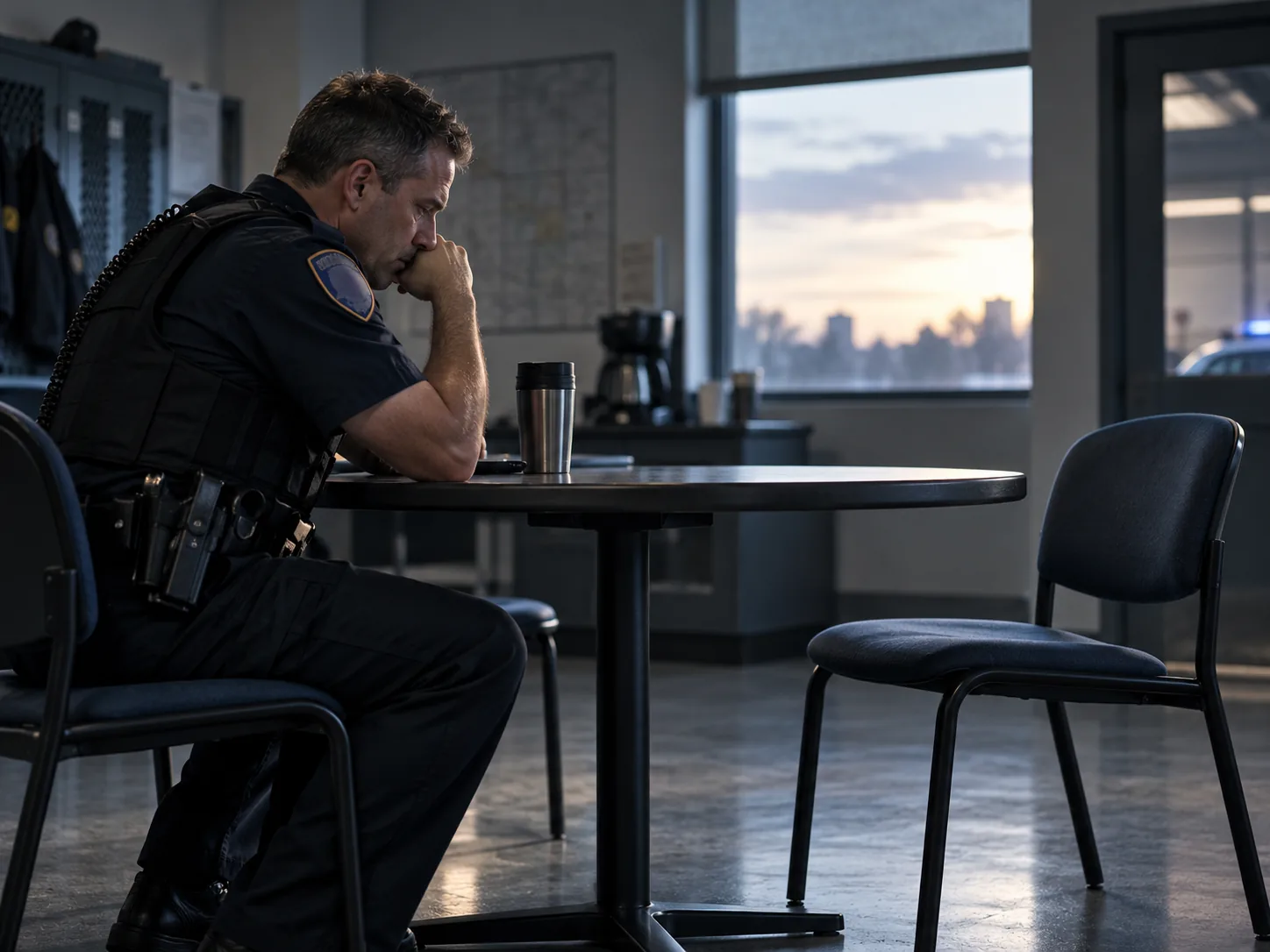
Police Research Watch
Some of the officers struggling most with depression, burnout, and alcohol-related problems may also be the least willing to seek counseling.
Open the article ↗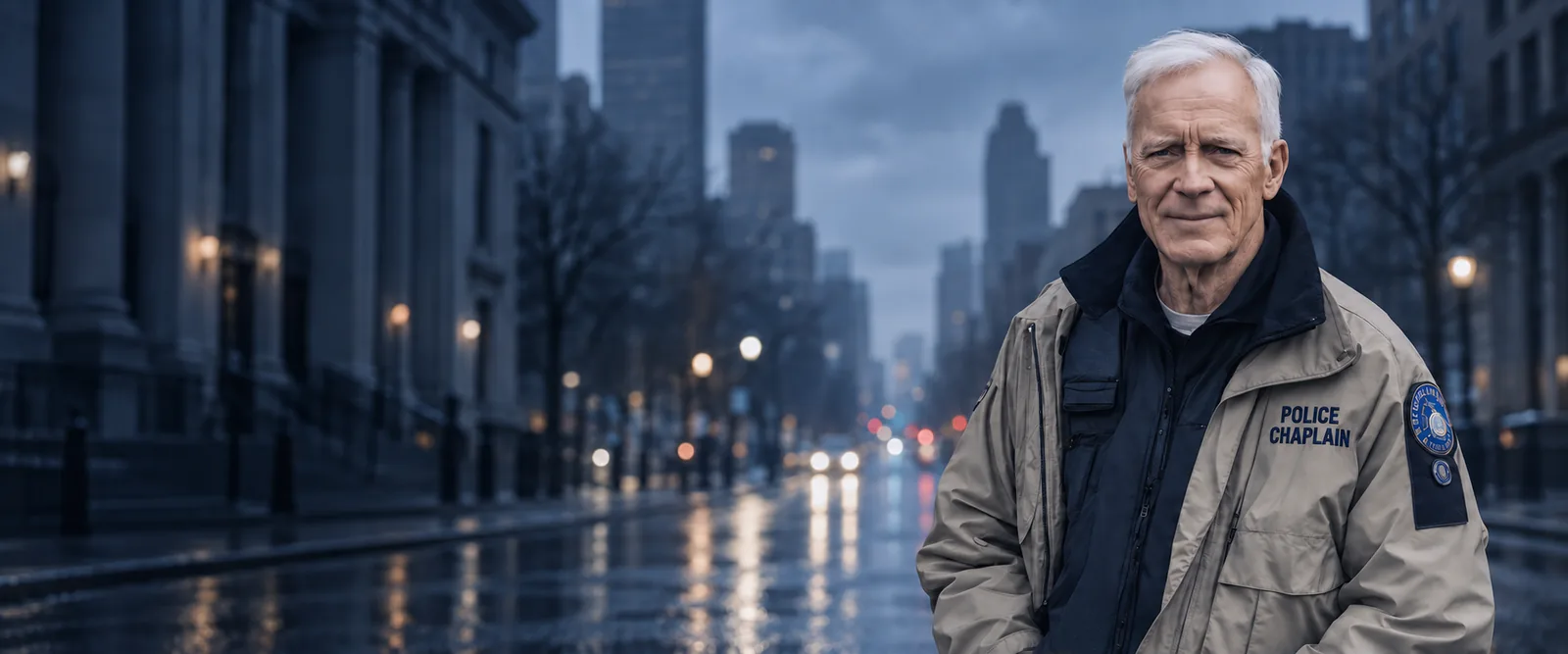
THE STATE OF CHAPLAINCY
Officers need someone they trust. Chaplains need the training, resources and departmental support to be there. Here is what a sustainable program requires.
Open the article ↗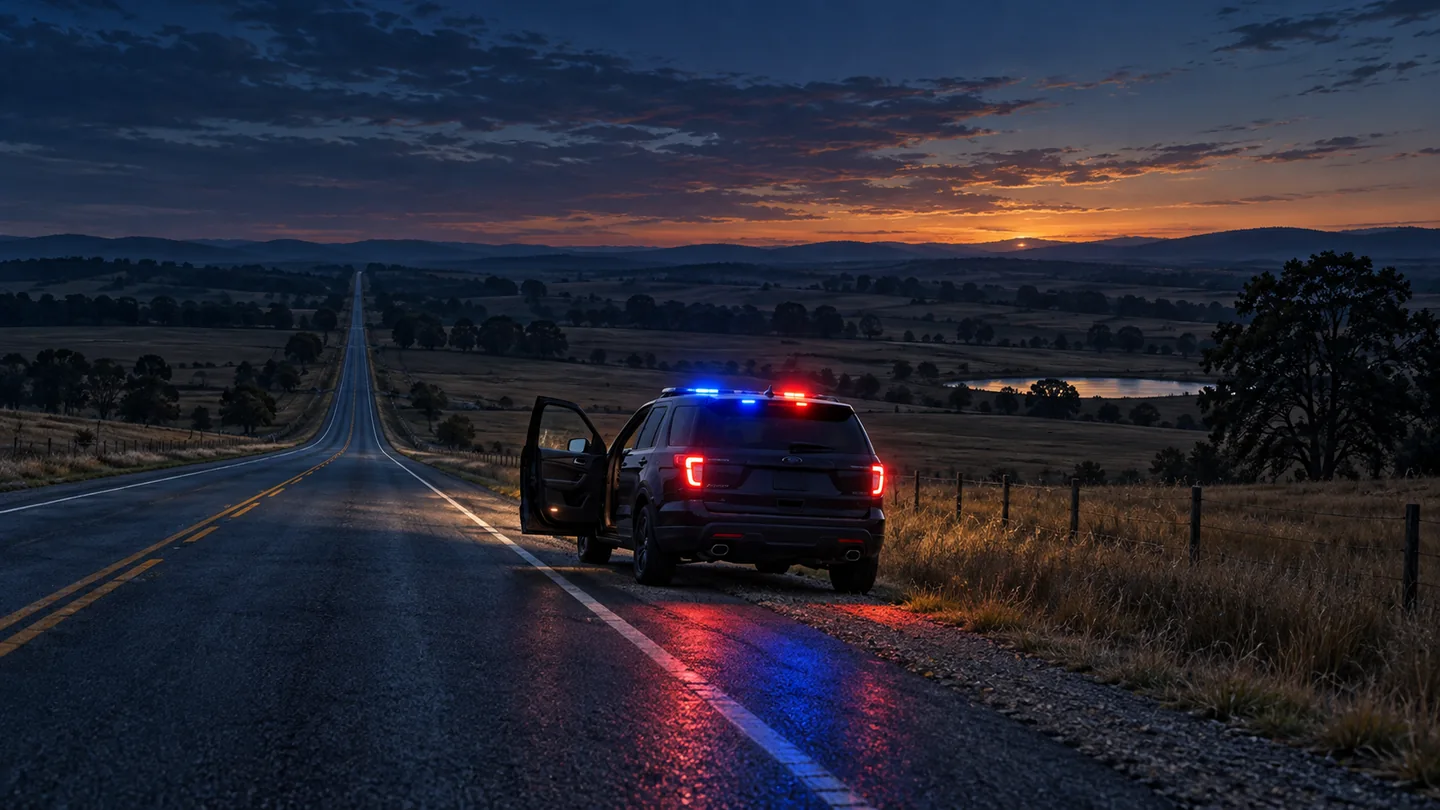
ChaplainUSA Blog · Aftermath
Distance changes the call—and the support that follows. How chaplains can build a regional circle of care.
Open the article ↗
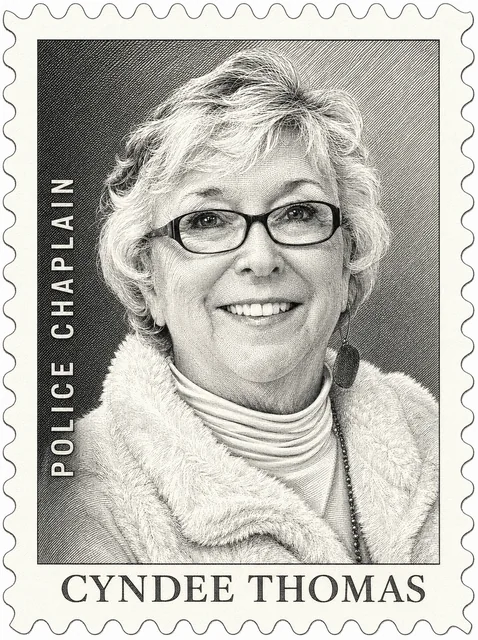
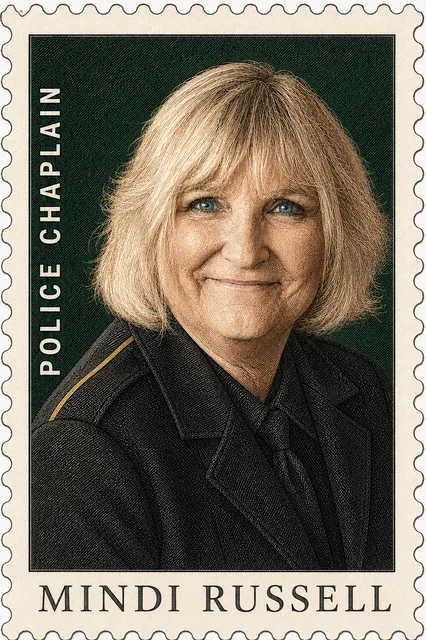
We salute living legends Marie Betcher, Cyndee Thomas, and Mindi Russell—trailblazers in women’s growing presence in law-enforcement chaplaincy. Hear their stories from the archives of the Police Chaplain Project.
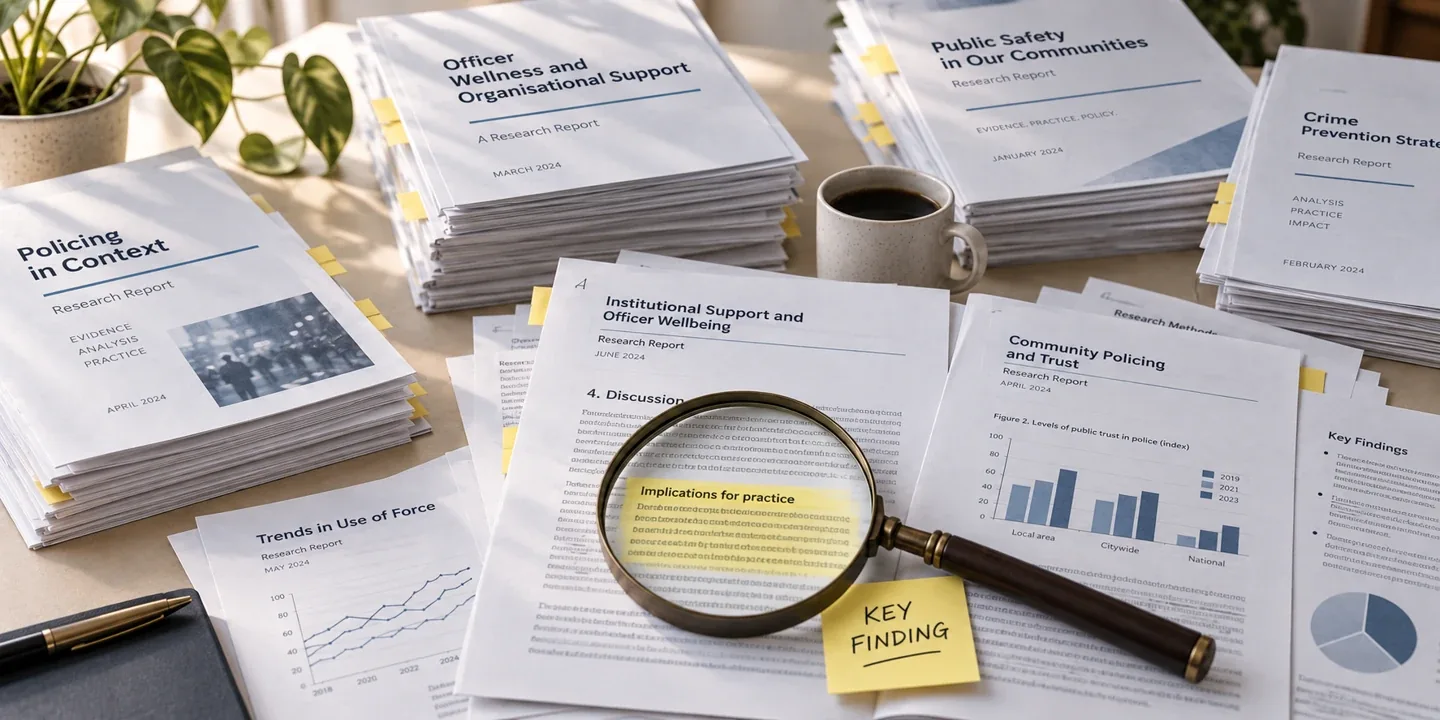
Police Research Watch
RAND’s new report on officer wellness contains a finding that should get the attention of every chaplain program.
Open the article ↗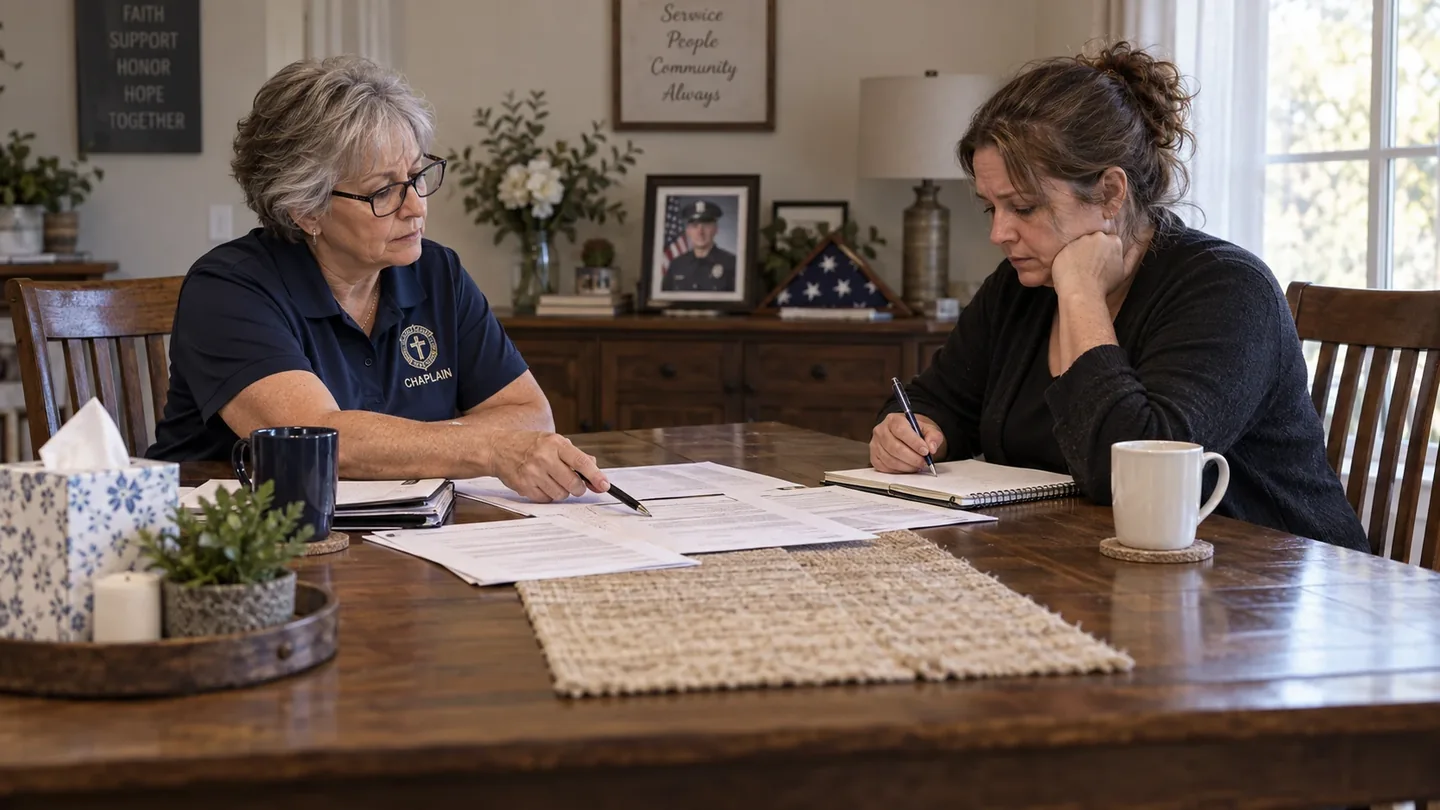
2026 CHECKLIST
Help a surviving spouse navigate benefits, reach the right specialists, and take the next step.
Open the article ↗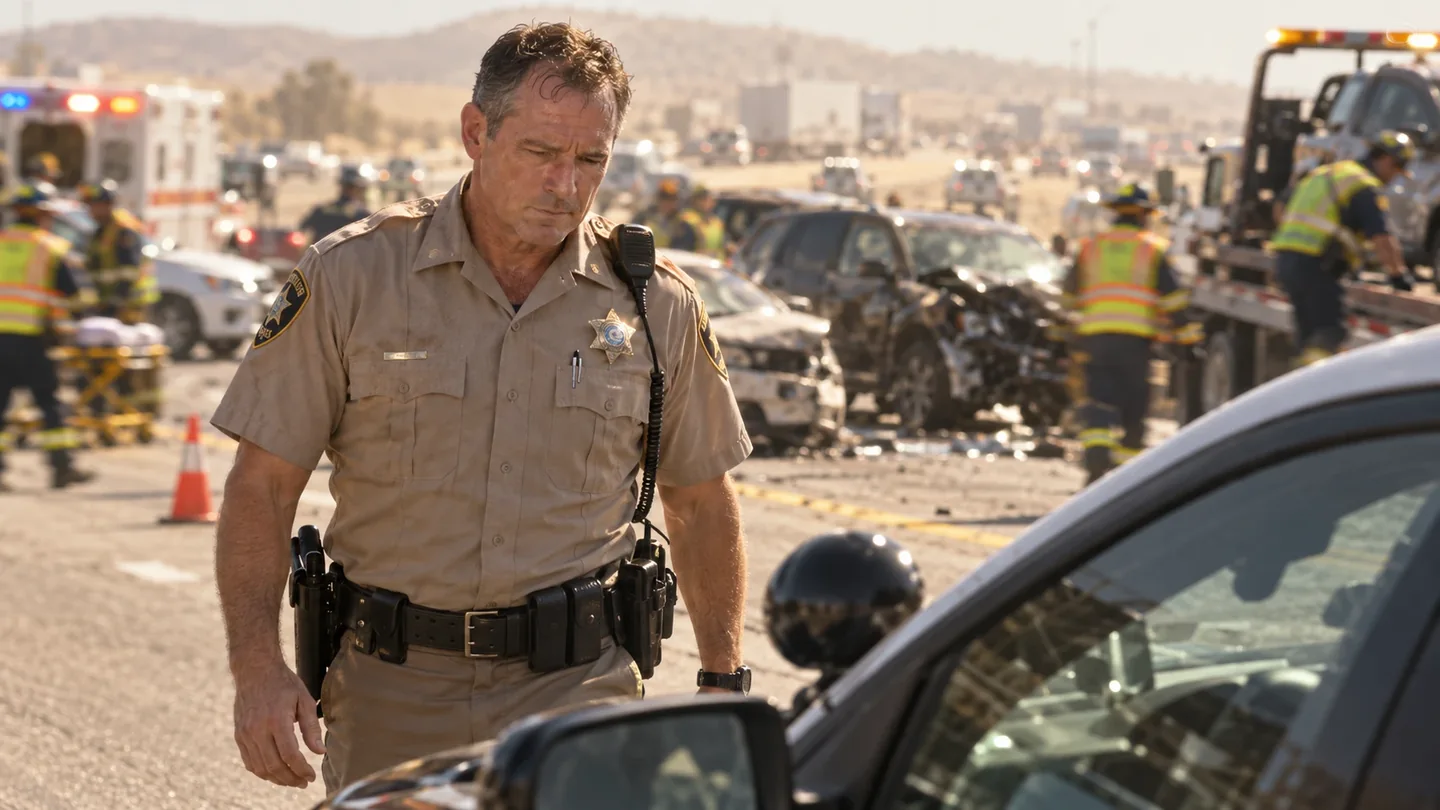
ChaplainUSA Blog
Fatality rates answer one question. They cannot tell us what the officer in front of us carries home. An honest reading of the numbers leaves room for both facts and the person.
Open the article ↗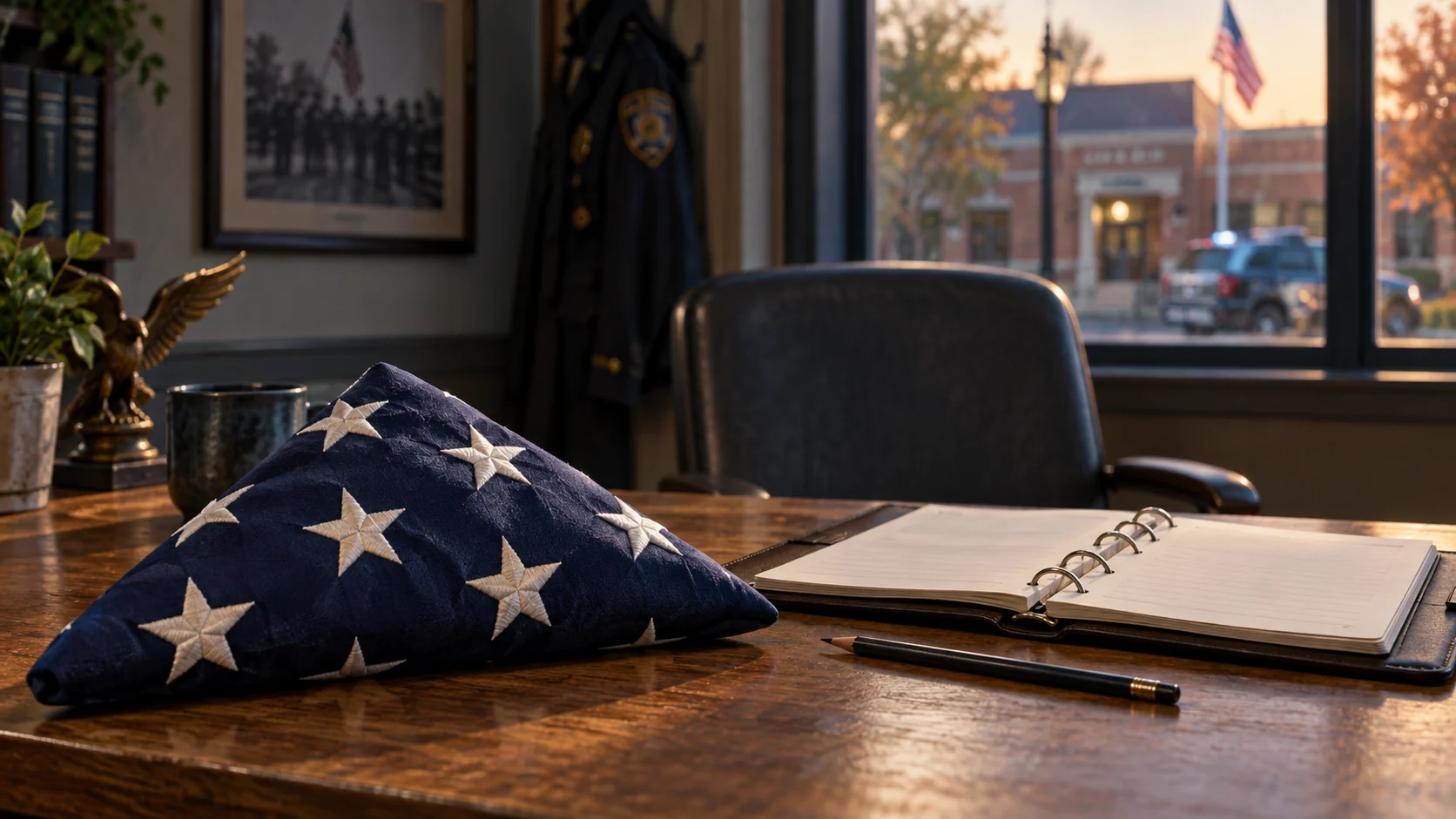
ChaplainUSA Blog
A funeral director brings expertise. A chaplain helps the department keep its responsibilities to the family.
Open the article ↗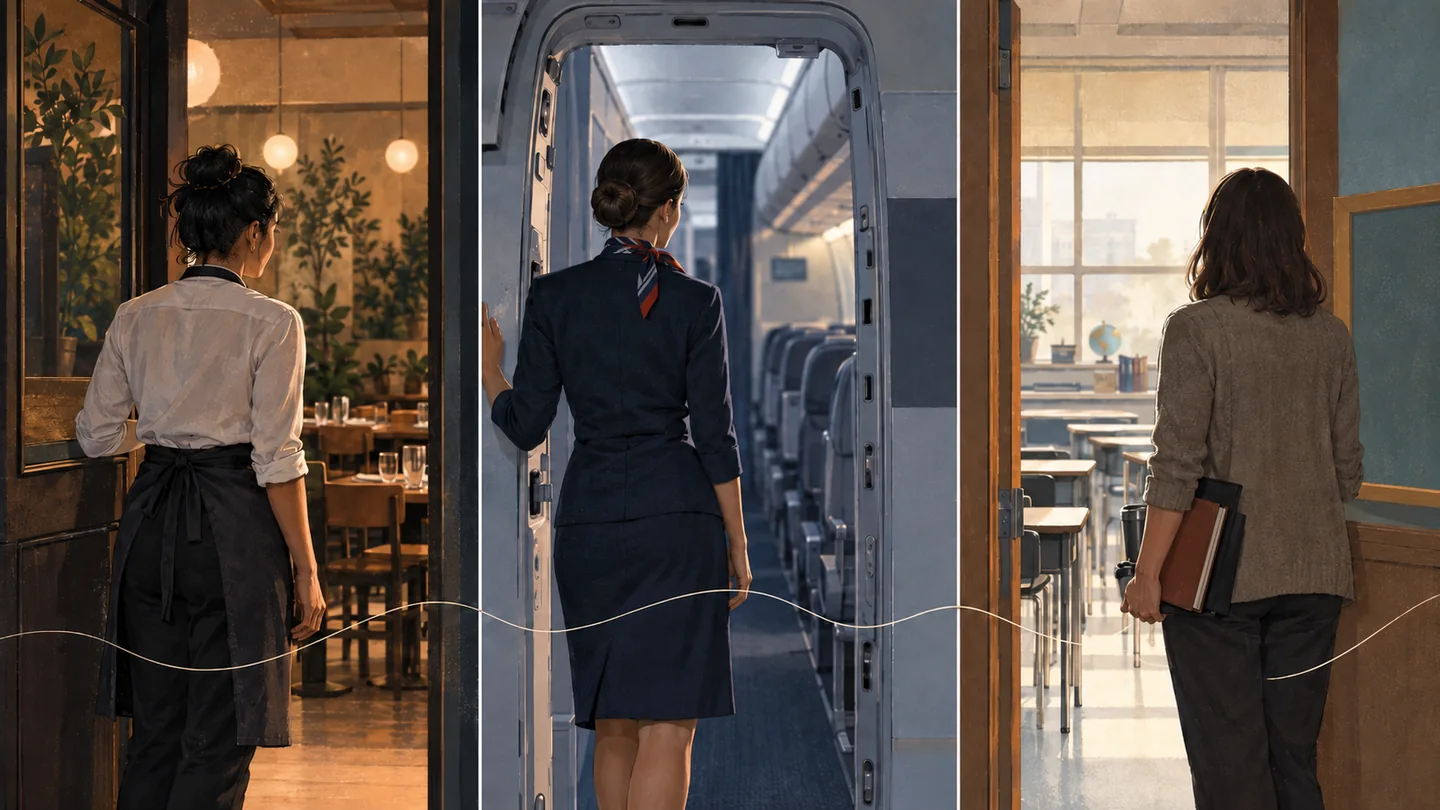
The Lighthouse Library
The cameras leave. The employees return. Who checks on the people going back to a place changed by tragedy?
Open the article ↗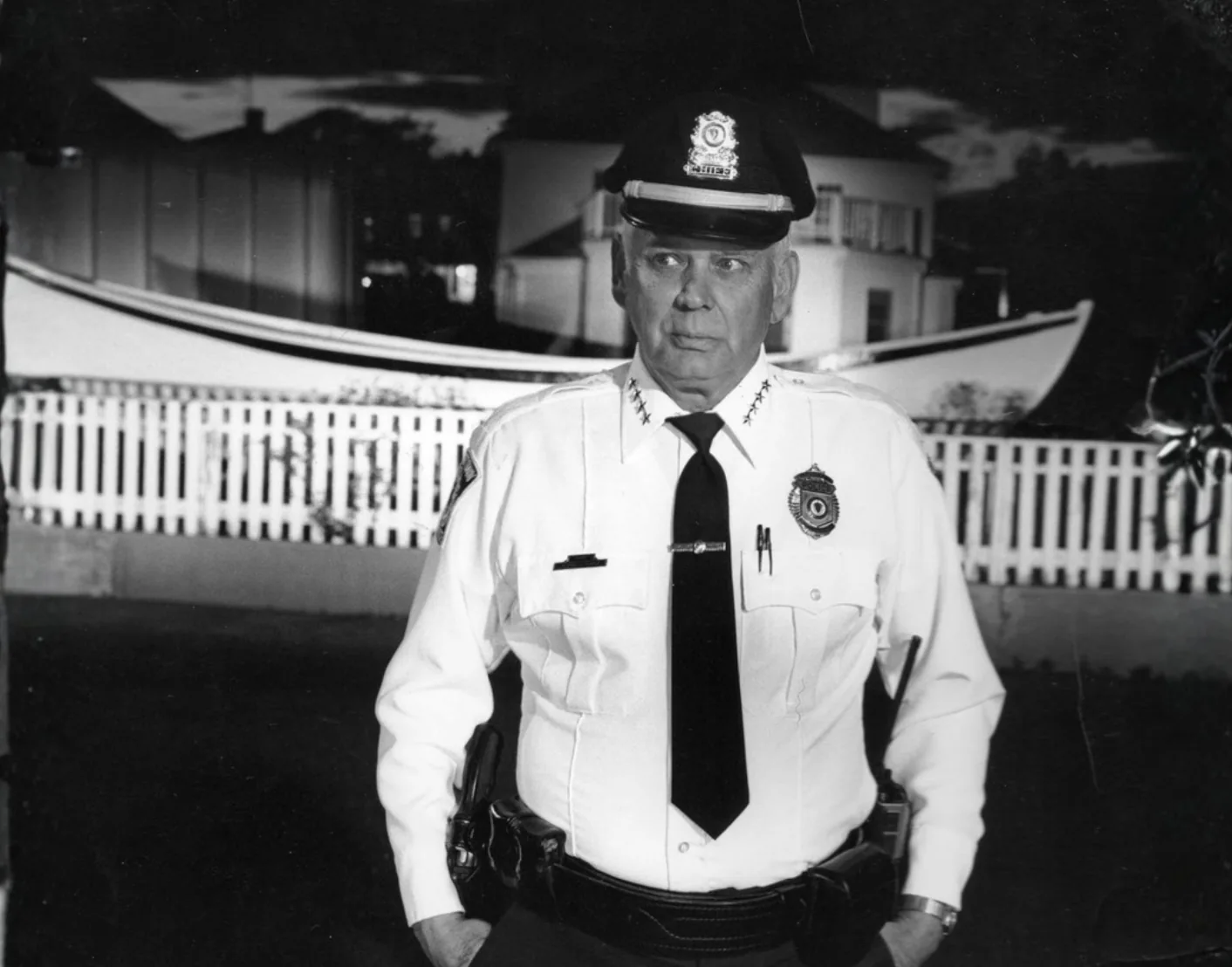
FIELD GUIDE
John Cooley’s experience with more than 80 police funerals offers a starting point for agency leaders.
Open the article ↗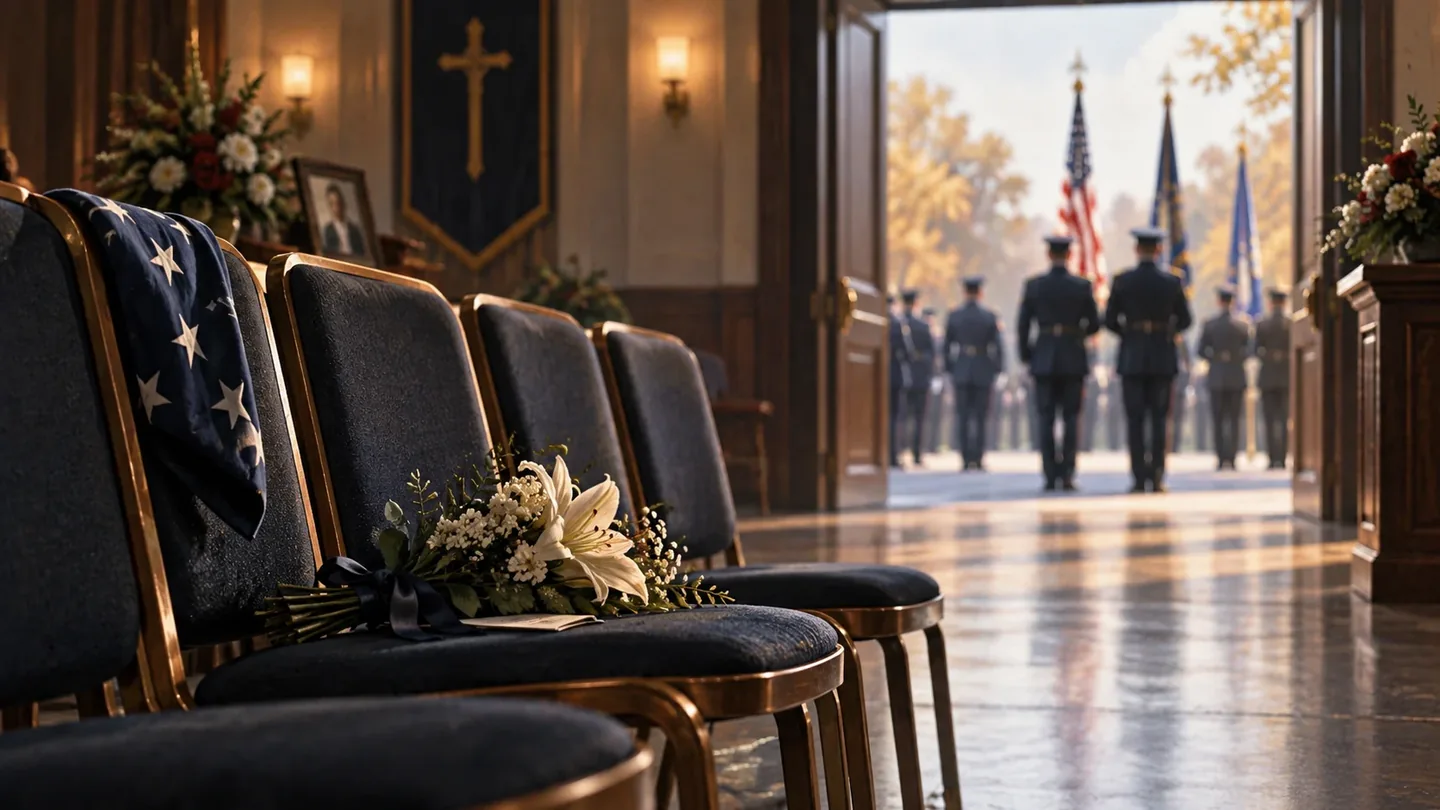
ChaplainUSA Blog
The public may remember the procession. A child may remember whether anyone included them. Listening to the family reveals what a ceremony alone cannot tell us.
Open the article ↗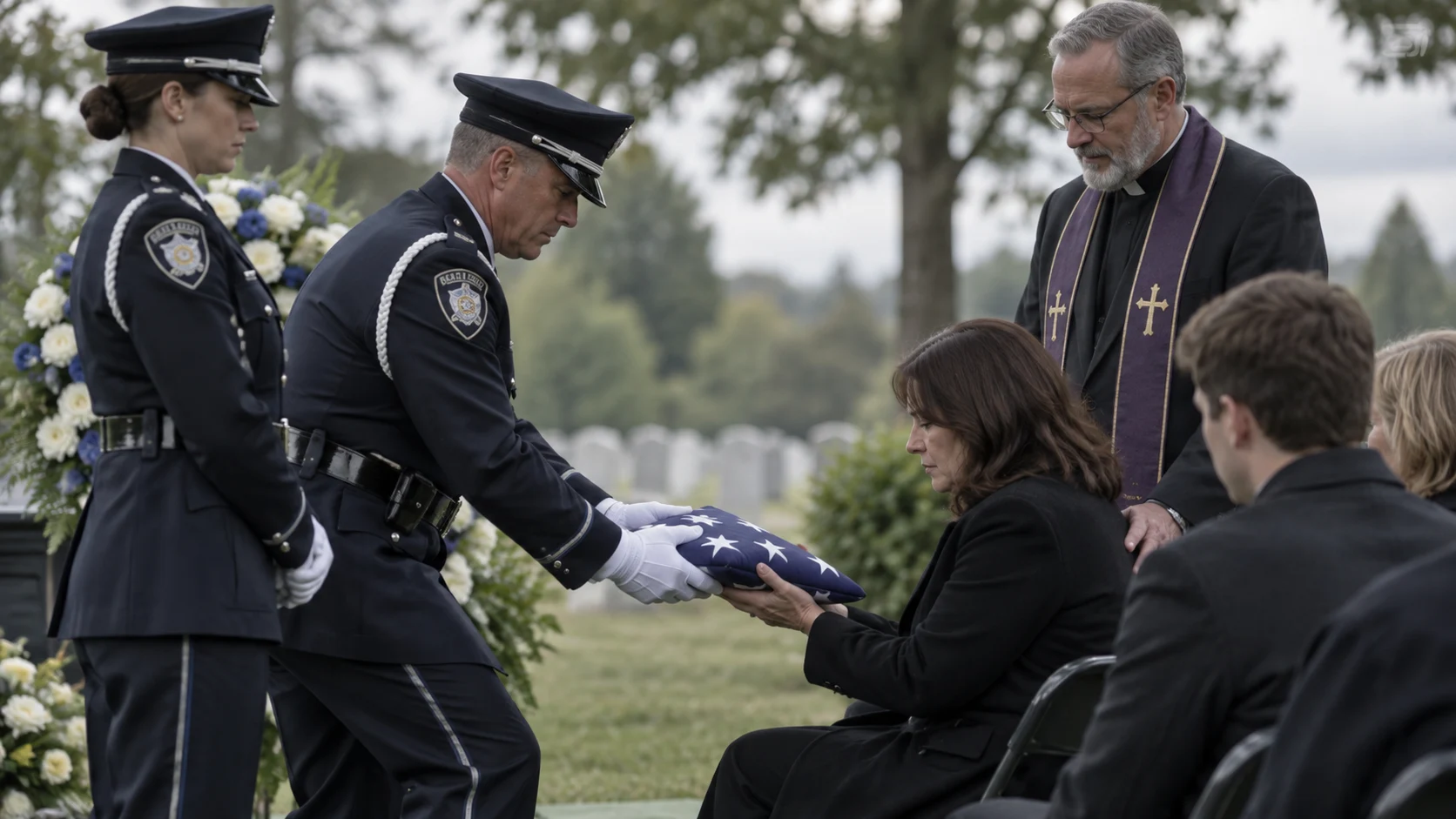
FIELD GUIDE
A visual field guide to common honors—and the conversations that should happen before the service.
Open the article ↗In their own words
Keep within reach
Stay connected
Keep the conversations close, and return whenever you need a new perspective.


